FeaturesFeatureIssue 01
Why the 1980s Miamilook never left
Art Deco hotels, pastel suits and a mural district: the real places that trailer-watchers say the GTA 6 skyline echoes, and the preservation fight that kept them standing.
By Sunset Edition desk2 min read
Issue01
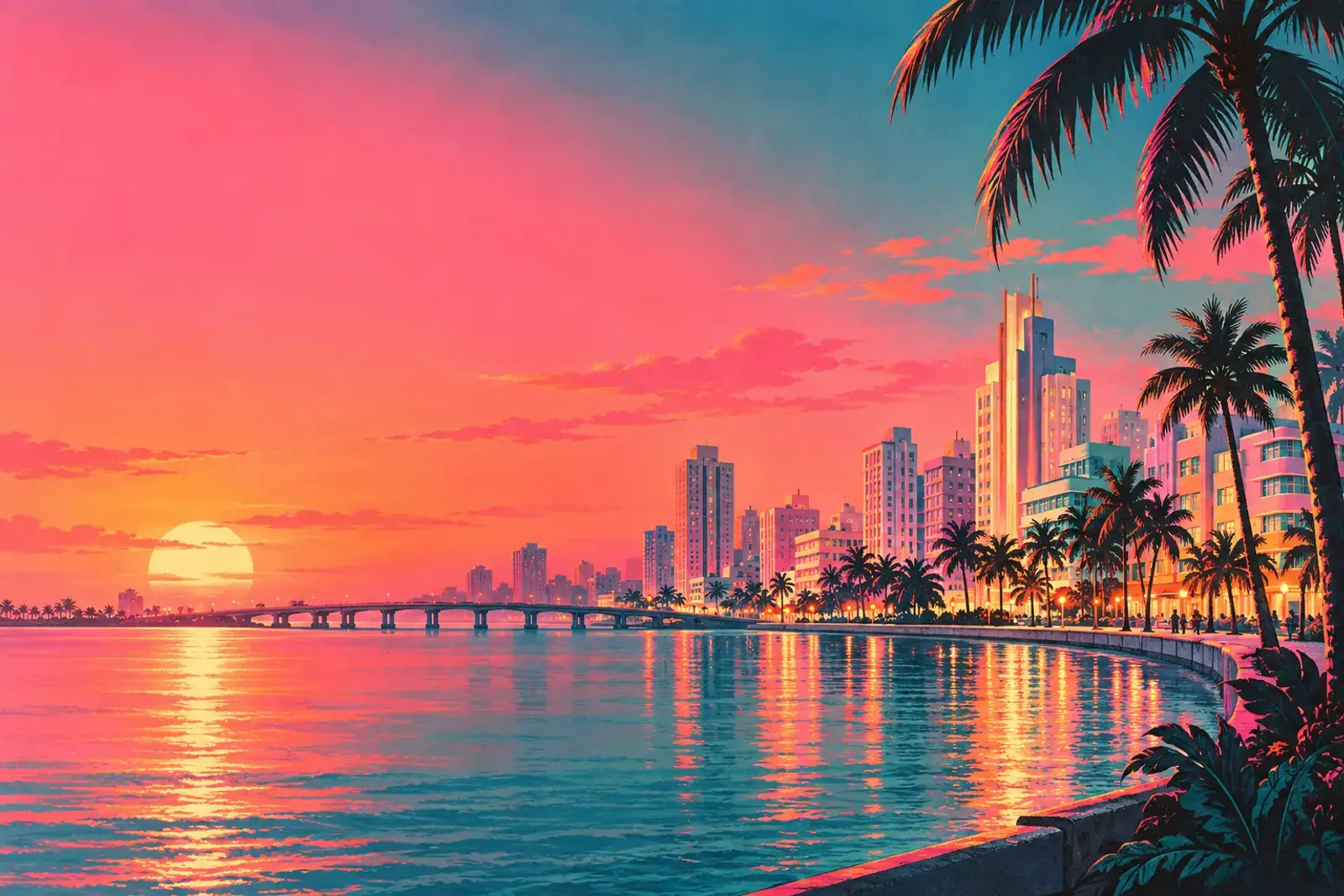
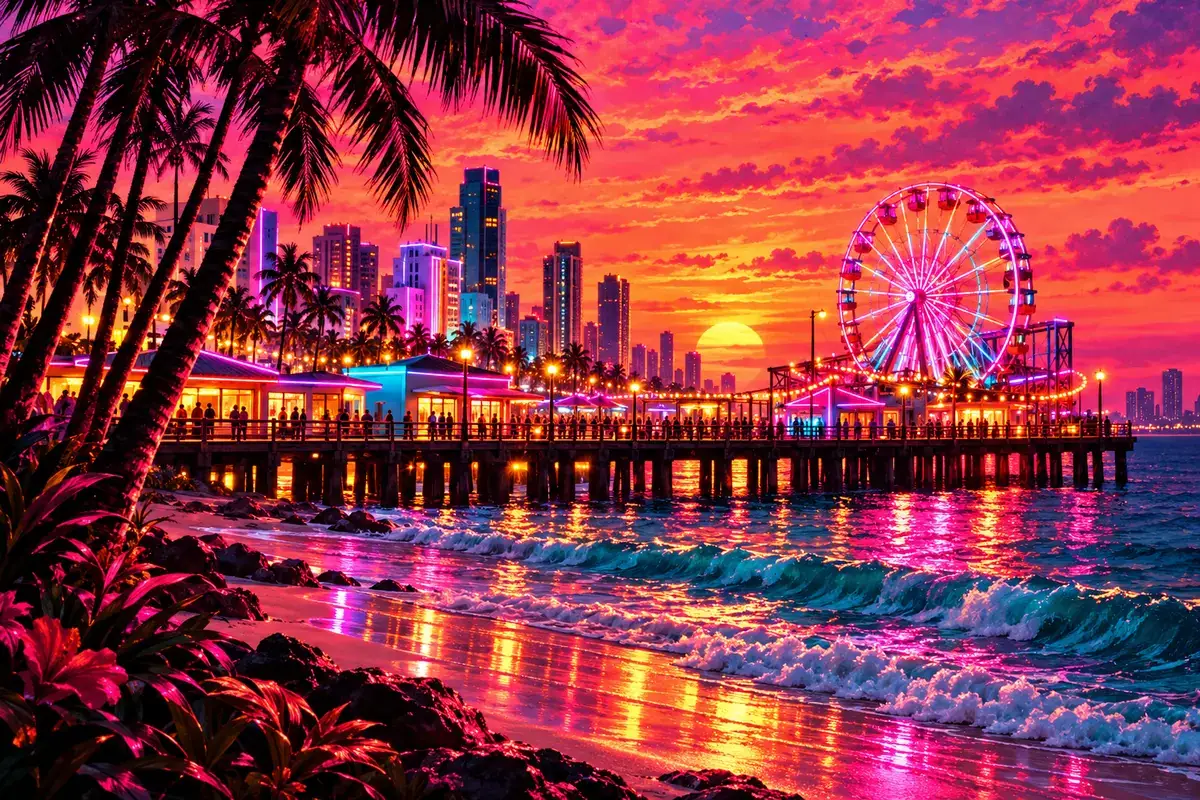
A sunset over Ocean Drive does most of the work for you. Hot pink, teal, white stucco, a neon sign over a rounded corner: the look people call "Vice" or "Miami 1985" is so specific that it can feel invented. It is real, and a good part of it is protected. This piece looks at the actual places that fans of Grand Theft Auto VI say its trailers resemble, and why the style has outlasted its moment.
A note on method. Take-Two describes the game's setting as Vice City in the fictional state of Leonida. The places below come from fans and outlets comparing public trailer frames to real sites, and Dexerto says plainly that its list rests on community spotting. We use real-world facts only, with no game images, and we treat each match as a suggestion rather than a confirmation. Unconfirmed PCGamesN describes Vice City as loosely based on Miami and Leonida as loosely based on Florida.
The architecture that was nearly lost
The Miami Beach Architectural District, usually called the Art Deco District, was listed on the National Register of Historic Places on May 14, 1979. Wikipedia counts 960 historic buildings and describes the largest concentration of Art Deco buildings in the world. Ocean Drive's hotels, between 5th and 15th Streets, are the postcard core.
The buildings might not be there. Barbara Baer Capitman and friends founded the Miami Design Preservation League in 1976 and campaigned against demolitions, and the 1979 listing followed. By the 1980s, the district was ready for its close-up.
The pastel city fans remember was a rescue before it was a style.
The show that sold the look
Miami Vice premiered on NBC on September 16, 1984 and ran until January 25, 1990. Per Wikipedia, it filmed largely in Miami and South Beach, helped trigger a wave of support for preserving Art Deco buildings, and made pastel colours, white linen and Italian jackets over T-shirts a menswear moment. When a video game wants a shortcut to "1980s Florida," this show is the shared reference.
Places fans link to the trailers
| Real place | What it is |
|---|---|
| Ocean Drive | The Art Deco hotel strip in Miami Beach |
| Wynwood | An arts district whose Wynwood Walls mural complex was founded in 2009 by developer Tony Goldman |
| Kaseya Center | The downtown arena on Biscayne Bay, opened December 31, 1999 as American Airlines Arena, home of the Miami Heat |
| Julia Tuttle Causeway | The section of State Road 112 named after Miami's founder, linking the mainland and Miami Beach |
Dexerto's list pairs these with in-game equivalents. We are deliberately not describing those, only the real places, which you can visit.
Why it endures
The look lasts because it was built, not styled. Rounded corners and neon survive because they were preserved. The mural district shows Miami still reinventing its own surface. A game set in a Miami-like state is borrowing from a city that already treats its own image as an asset.
- Miami Beach Architectural District Wikipedia
- Miami Vice Wikipedia
- Real Miami and Florida locations in GTA 6 Dexerto
Sources
8 links- Miami Beach Architectural DistrictWikipedia
- Barbara Baer CapitmanWikipedia
- Miami ViceWikipedia
- WynwoodWikipedia
- Kaseya CenterWikipedia
- Florida State Road 112Wikipedia
- Real Miami and Florida locations in GTA 6Dexerto
- GTA 6 map guidePCGamesN
We summarise facts in our own words and link to where they come from. Read the source for the full story.
What to read next
Same city. Same answers. Brighter together.
 01
01 02
02 03
03 04
04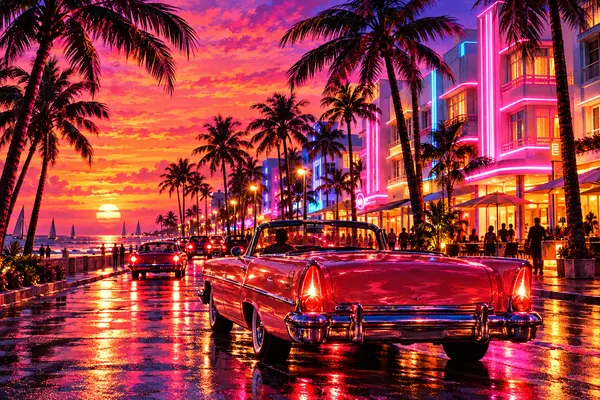 05
05 06
06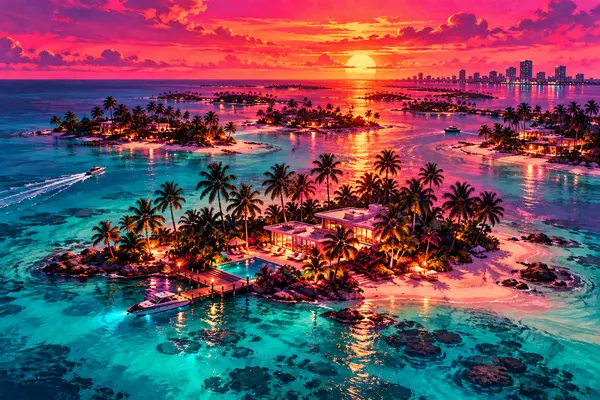 07
07